When I first looked at test your luck multi wheel roulette, I treated it like any other live dealer proposition – slow hands, clear table etiquette, and a predictable house edge. Back in Canberra, where I spent three years auditing table game mathematics for a mid-tier operator, we used to say a layout only earns trust when the maths stays visible under pressure. That same habit carries over here: I want to know whether the extra wheels multiply the fun or just multiply the burn rate, and whether the ongoing promos actually matter once the welcome offer has been spent.
What the Layout Actually Does to Your Session
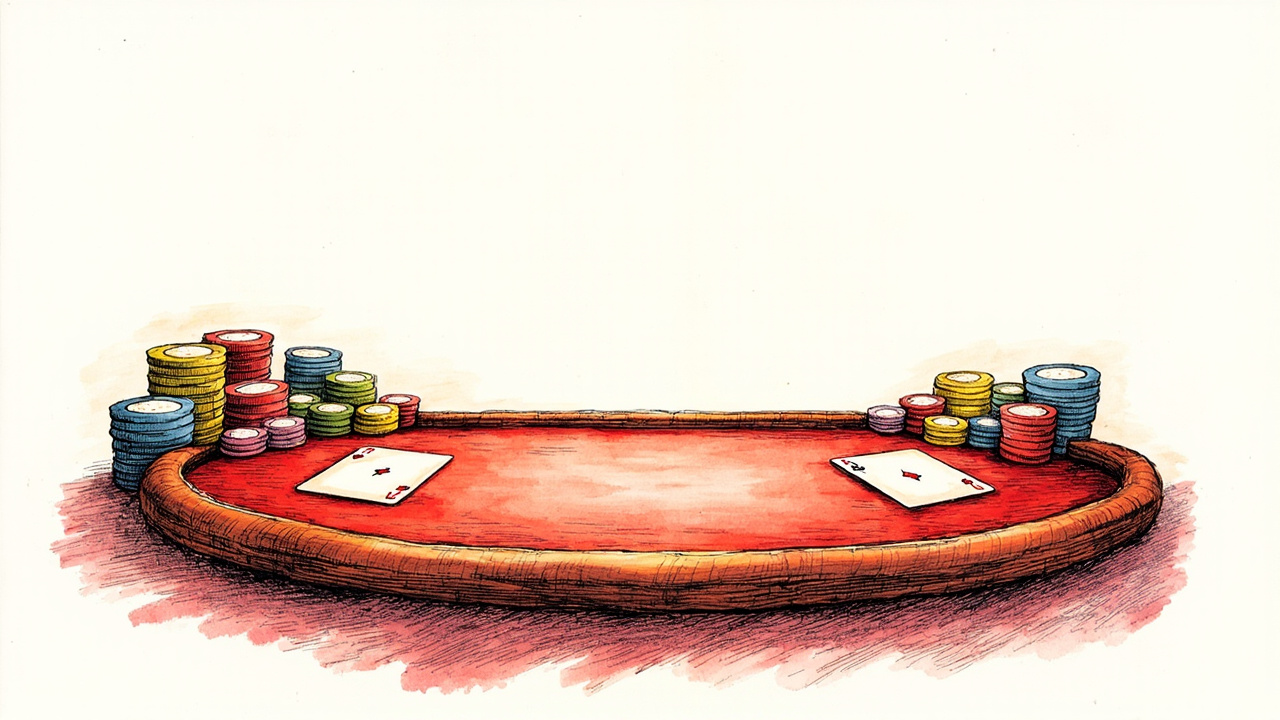
The core idea is straightforward: instead of one spinning wheel, you place a single chip and watch several wheels turn in parallel, with payouts resolving across whichever wheels hit your call. In the build I reviewed, that means up to eight wheels on screen, a fixed set of outside and inside bet tiles, and a round timer that keeps pace without feeling rushed. The attraction for an 18+ player in Geelong who has spent a wet arvo chasing a quiet session is obvious – more wheels, more outcomes, more moments where a single spin can swing the table. What I found less obvious is how quickly the variance stacks up. When you cover the same stake across multiple wheels, you are not changing the underlying probability on any one wheel; you are simply widening the spread of results per round. That can feel busy as a Saturday session at the Geelong waterfront, but it also means your bankroll can move in both directions faster than you expect.
From a practical angle, the game’s positioning leans toward players who want a live-table feel without the slower rhythm of a single-wheel dealer stream. The providers bundled into the build I tested lean on standard European-style pockets, which keeps the house edge familiar, but the multi-wheel framing changes how you should think about stake sizing. If you are used to laying a flat chip on red and waiting, the multi-wheel format rewards a more deliberate approach: either keep your total exposure conservative per round, or accept that a streak of mixed results will hit harder because you are paying out on several wheels at once. That is not a flaw in the game so much as a reminder that the entertainment value comes with a different cost profile than a single wheel.
I also looked at how the table handles bet limits and round pacing, because those details decide whether the format suits a relaxed evening or a rapid-fire session. The limits I saw sat in a mid-range band that works for casual play but does not invite the kind of aggressive flat-betting some high-roller tables allow. The round timer is brisk enough to keep momentum, yet not so fast that you lose the chance to read the layout before each spin. For players who like a measured session rather than a sprint, that pacing matters more than the number of wheels on screen.
If you are comparing where to play this format after the first deposit, it pays to check how a venue treats recurring value rather than just the opening package. A site that leans on a one-off bonus and then goes quiet tends to feel thinner once you are playing for keeps, whereas a venue with repeat-play reasons – regular promos, cashback, or a loyalty tier that actually accumulates – gives the session more staying power. You can read more about that kind of ongoing setup at uptown pokies bonus on, where the focus is on what remains useful after the welcome offer has been used.
Where the Ongoing Value Actually Sits
The welcome offer is the part most players notice first, but the part that decides whether a venue stays in your rotation is what happens after that initial window closes. In this build, the recurring picture is what I would call solid rather than flashy: weekly promos that rotate through free spin bundles and reload incentives, a cashback mechanism that returns a modest slice of losses over a set period, and a loyalty programme that climbs in steps rather than demanding a huge deposit to reach the first meaningful tier. None of that is revolutionary, but it is the sort of structure that keeps a regular player from feeling like the house has stopped paying attention once the sign-up bonus is gone.
The cashback element deserves a closer look because it is often misunderstood. In practice, it is not a refund that erases risk; it is a slow drip that softens a rough patch and gives you room to keep playing without reloading immediately. That matters in a multi-wheel format, where variance can cluster and a few quiet rounds can make a session feel heavier than the stake suggests. A small cashback return does not change the maths, but it does change the mood of the session, which is not nothing when you are playing for entertainment rather than chasing a target.
Loyalty and tournaments are where the venue can either earn repeat play or lose it. The tier progression I saw rewards consistent activity rather than one-off big deposits, which is the right shape for a game that is meant to be played in sessions rather than blown through in a single sitting. Tournaments based on total points over a window add a competitive layer without forcing you into higher stakes, and that is a better fit for most 18+ players than a leaderboard that only rewards the heaviest wallets. The trade-off is that these features work best when you treat them as part of the session plan rather than as a separate reason to overplay.
Payment and registration details stay consistent with the kind of setup you would expect from a licensed operator targeting Australian players: a short registration flow, identity checks before larger withdrawals, and support for AUD so you are not constantly translating numbers in your head. I would still caution that casinos may withhold tax on large jackpots in some countries before paying out, which is a reminder that the rules around a big win can depend on where the operator is based and where you are playing from. That is not a reason to avoid the game, but it is a reason to read the terms on large payouts before you treat a hypothetical jackpot as already in your pocket.
One Misconception Worth Correcting
A common misunderstanding about multi-wheel roulette is that spreading one bet across several wheels somehow improves your chances of winning on you will find more any given round. It does not. Each wheel still runs on the same pocket distribution, and the house edge on the individual bet stays what it was before you added more wheels to the screen. What changes is the shape of the session, not the underlying probability. You may see more wins per round because more wheels are settling at once, but you may also see more losses for the same reason, and the total amount at risk per round is still the total amount you laid down across all wheels.
Each spin remains an independent event, meaning the house edge persists regardless of how many wheels you watch or wager on. To understand why diversifying your stakes across different casino games never alters the underlying odds, you can review the uptown pokies bonus on https://uptownpokiesbonus.org/. Ultimately, responsible gambling requires recognizing that mathematical probabilities stay fixed, so managing your bankroll wisely is the only reliable approach.
The nuance is that the format can feel more rewarding in the short term because results arrive in clusters, which makes the table feel active even when the long-term expectation has not moved. That is why some players walk away thinking the game is kinder than a single wheel, when in reality it has simply made the variance more visible. If you adjust your stake to match that wider spread, the format can be enjoyable without surprising you; if you keep the same total exposure you would use on one wheel, you are effectively playing a larger round for the same entertainment price.
Sophie Henderson, Head of Public Relations, Pacific Wager Analytics, put it plainly when I asked how operators should frame multi-wheel products: “The honest pitch is that more wheels give you more moments, not more edge, and players who remember that usually have better sessions.” Matilda Smith, Strategy Director, Yarra Gaming Lab, was sharper on the retention side: “If the recurring promos and loyalty steps are thin, the multi-wheel layout only buys you a louder first hour before the burn rate catches up.”
FAQ
Does multi-wheel roulette change the house edge?
No. The house edge on each individual bet stays tied to the wheel layout and the bet type, not to the number of wheels on screen. What changes is the range of results you can see in a single round, which can make the session feel more volatile without altering the underlying maths.
Is the game better for casual play or larger stakes?
It suits casual play well because the pacing and mid-range limits keep the session readable, but it does not reward larger stakes just because more wheels are involved. If you increase your total exposure per round, you are simply widening the swing, so the better fit is a stake that matches the variance you are comfortable seeing.Afr
What should I look for after the welcome offer?
Look for recurring promos, cashback, and a loyalty structure that rewards regular activity rather than a single large deposit. Those are the features that give the game staying power once the opening bonus is spent, and they matter more than a one-off package when you are deciding where to keep playing.
